Browsed shoots
Repeatedly nipped leaders and side shoots can stop young trees from growing beyond reach.

Deer management
A considered response to real pressure—built around woodland condition, regeneration and long-term habitat resilience.
Discuss your woodlandField note 01
Deer are an important part of the countryside, but sustained browsing can prevent woodland from renewing itself. Understanding the condition of the land is the starting point for proportionate, responsible management.
What to look for
Repeatedly nipped leaders and side shoots can stop young trees from growing beyond reach.
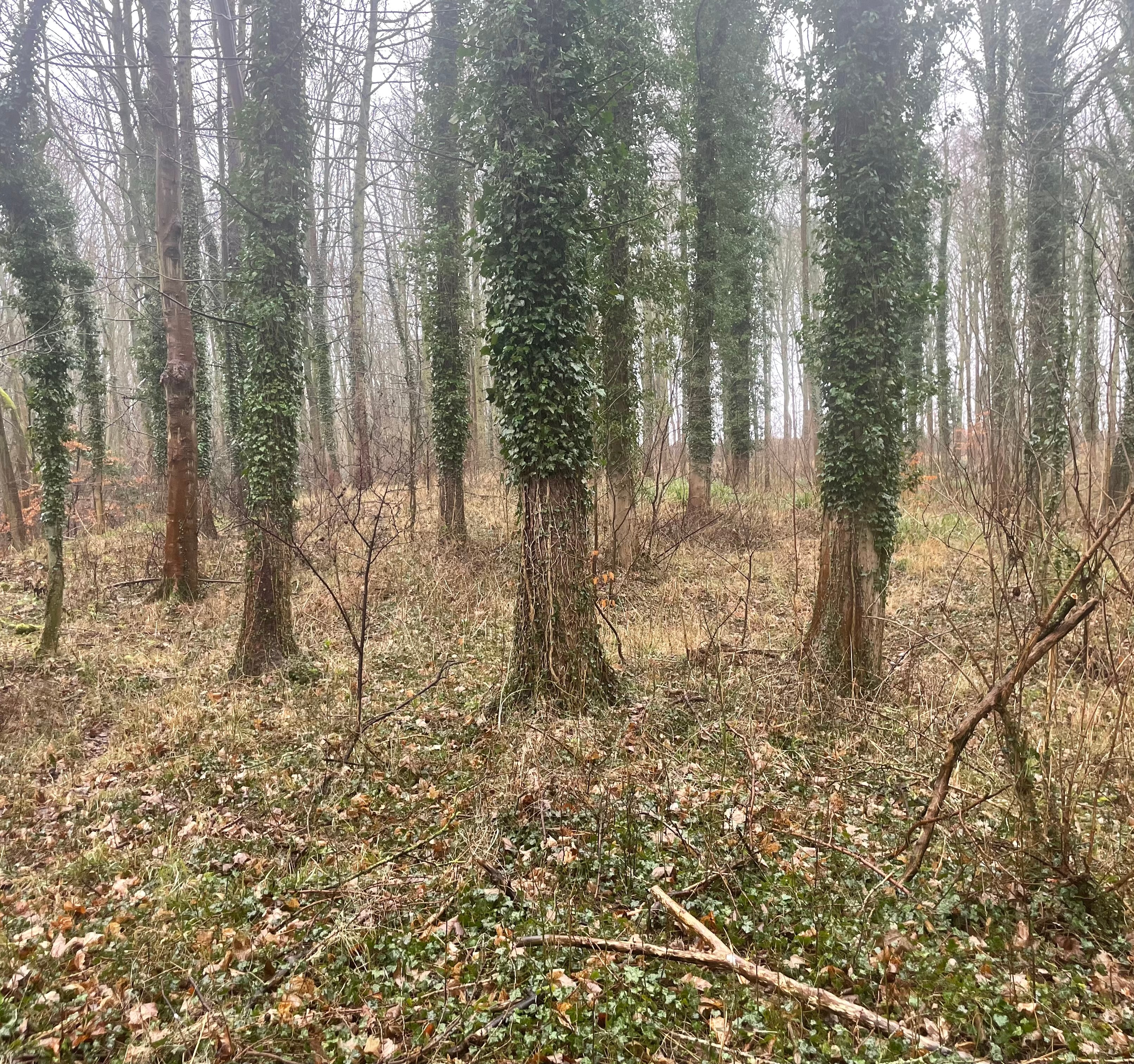
A lack of shrubs, seedlings and ground flora can indicate that regeneration is struggling.
Where protected areas recover differently from open ground, browsing pressure may be part of the picture.
What to look for
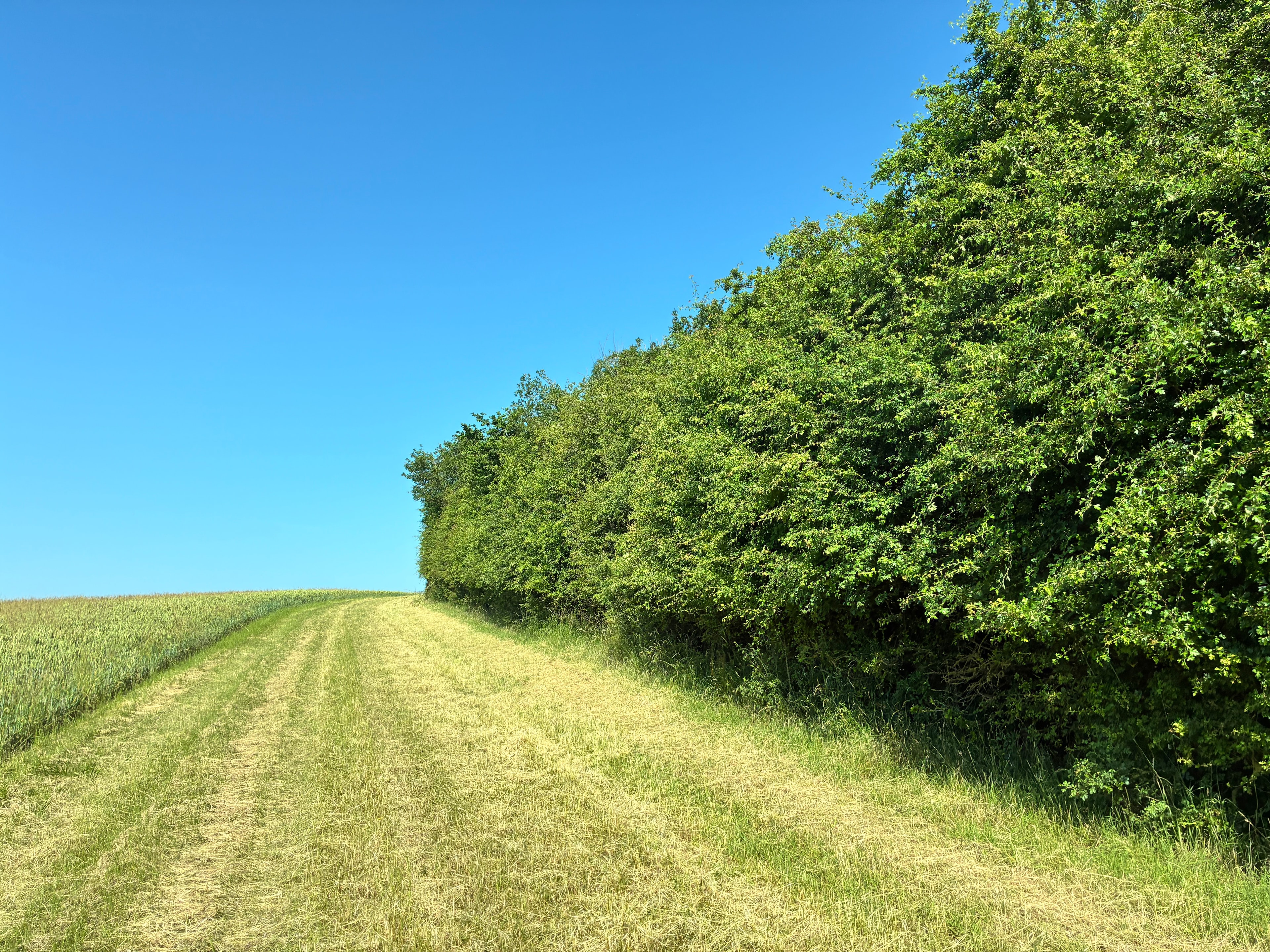
When deer repeatedly feed within reach, the lower foliage and young shoots along a woodland edge can become noticeably sparse. A browse line is not a population count on its own, but it can be a valuable prompt for closer assessment of deer activity, regeneration and habitat condition.
Evidence of deer damage
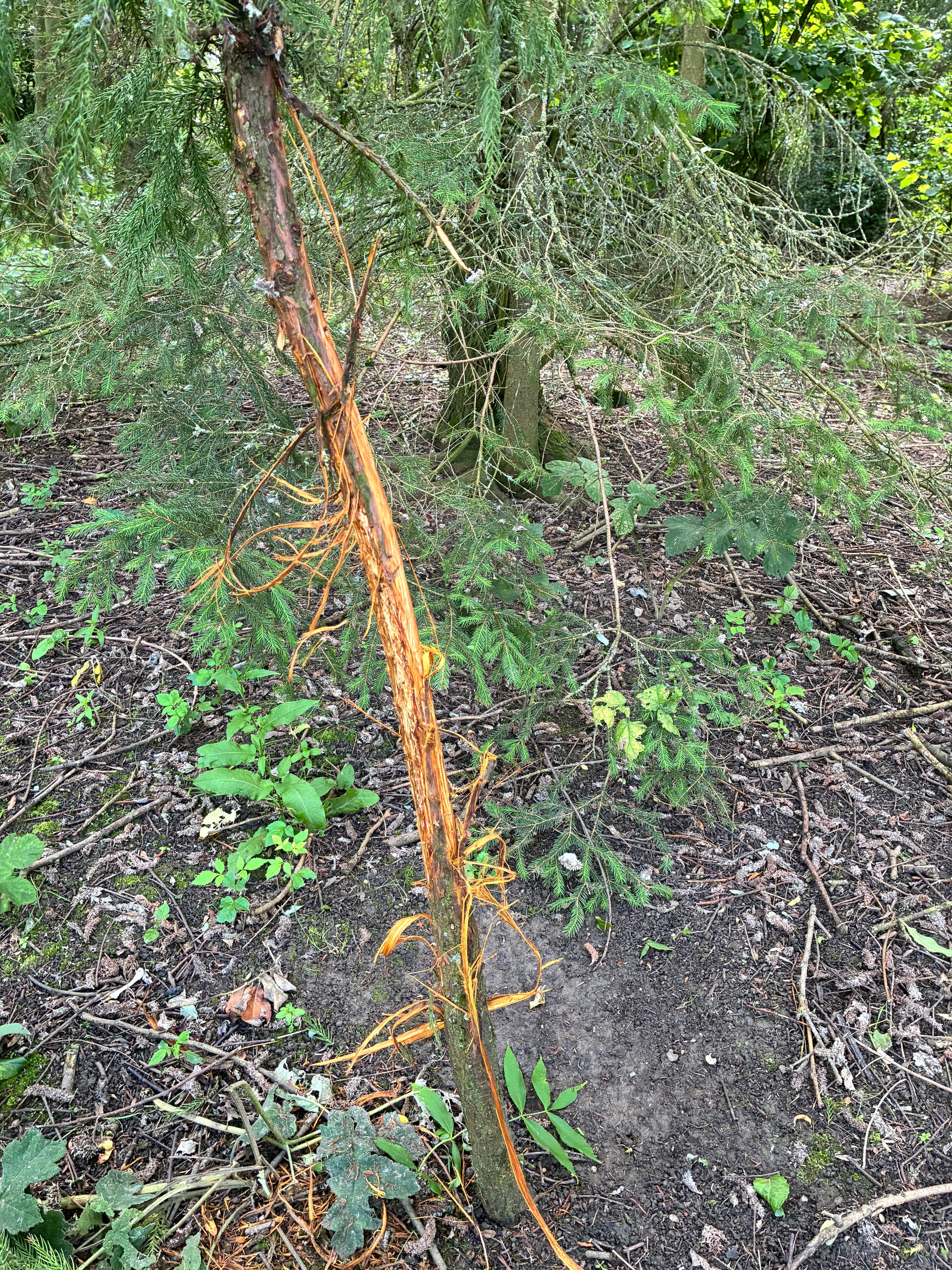
Male deer can rub their antlers against young stems, stripping bark and weakening the tree. Recording fraying alongside browsing and other signs of activity helps show where deer pressure may be affecting woodland establishment.
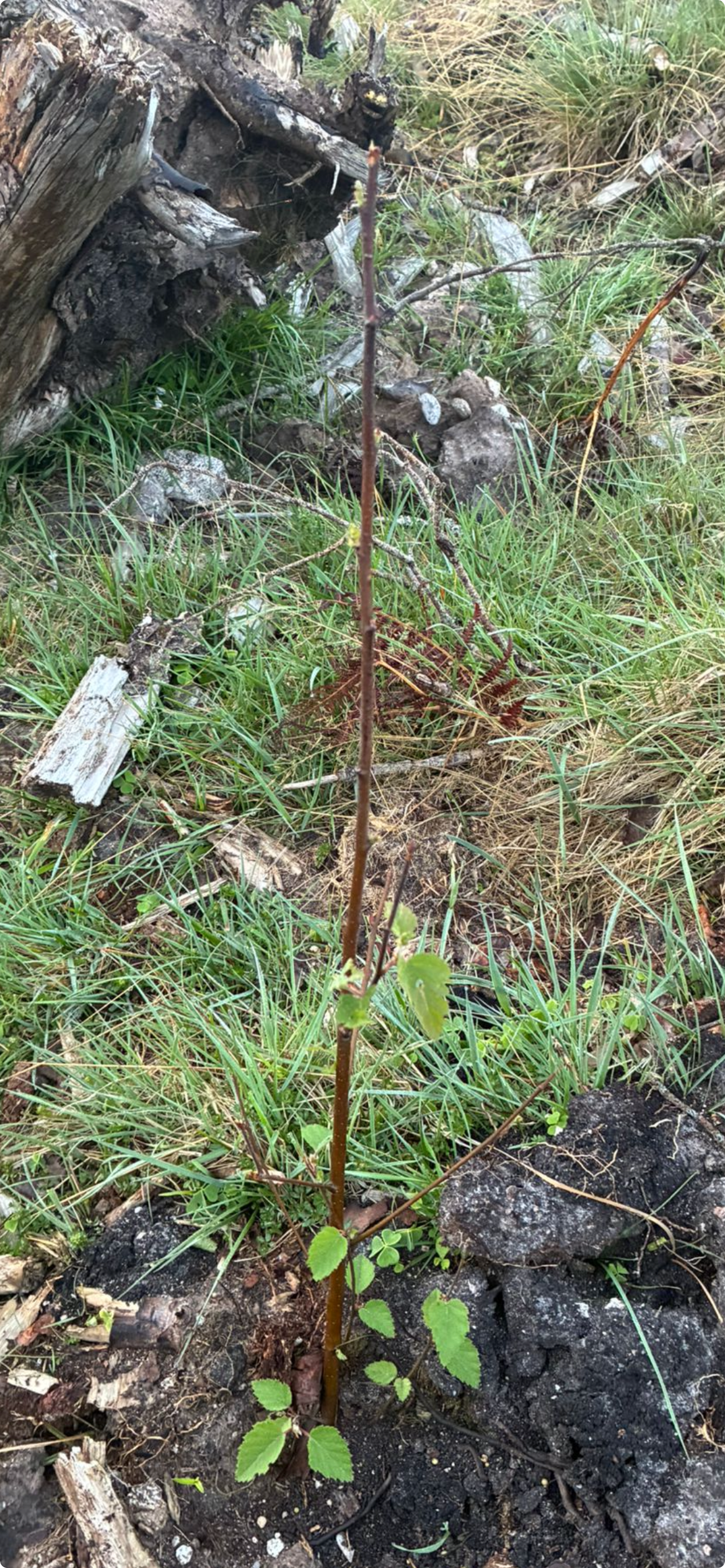
Evidence of browsing pressure
Repeated browsing of the leading shoot can slow height growth and change the form of young hardwood trees. Recording this damage alongside other field signs helps build a clearer picture of herbivore pressure and the likely implications for woodland establishment.
Impact assessment service
01
We assess browsing, bark damage, regeneration and habitat condition to build a clear picture of the pressures affecting your woodland.
02
Our findings help identify practical priorities, giving you an evidence base for proportionate deer management decisions. Where appropriate, impact assessments and further control work can be planned in line with the requirements of the England Woodland Creation Offer WS1 and WS3 grant options.
03
Follow-up monitoring records change over time, helping you see whether regeneration is improving and adapt management as the woodland responds.
Woodland resilience
When deer numbers are in balance with the available habitat, young trees, shrubs and ground flora have a better chance to establish. This natural regeneration creates the next generation of woodland without relying solely on planting.
Reducing sustained browsing pressure can help seedlings grow beyond their most vulnerable stage, allowing a wider mix of native species to develop and strengthening the woodland’s structure over time.
A regenerating woodland offers more than future trees. New layers of vegetation can provide cover, food and nesting opportunities for woodland birds, small mammals, invertebrates and pollinators.
As saplings, shrubs and ground flora recover, the woodland can become more varied in height and density. That structural diversity supports a broader range of wildlife while retaining space for deer as part of a healthy ecosystem.
Management decisions should follow observation and assessment rather than assumptions. Looking at browsing, bark damage, regeneration success and habitat condition helps identify where action may be needed and how progress can be monitored.
The aim is not to remove wildlife from the landscape. It is to manage pressure carefully so deer, squirrels, trees and the wider woodland community can remain in better balance.
Field note 03
Support beyond grant eligibility
Where grant funding is not available, we can work alongside landowners to develop a plan that reflects their circumstances, priorities and site conditions. We focus on practical, cost-efficient ways to deliver the required outcome, with clear steps that can be adapted as the woodland responds.
Venison value
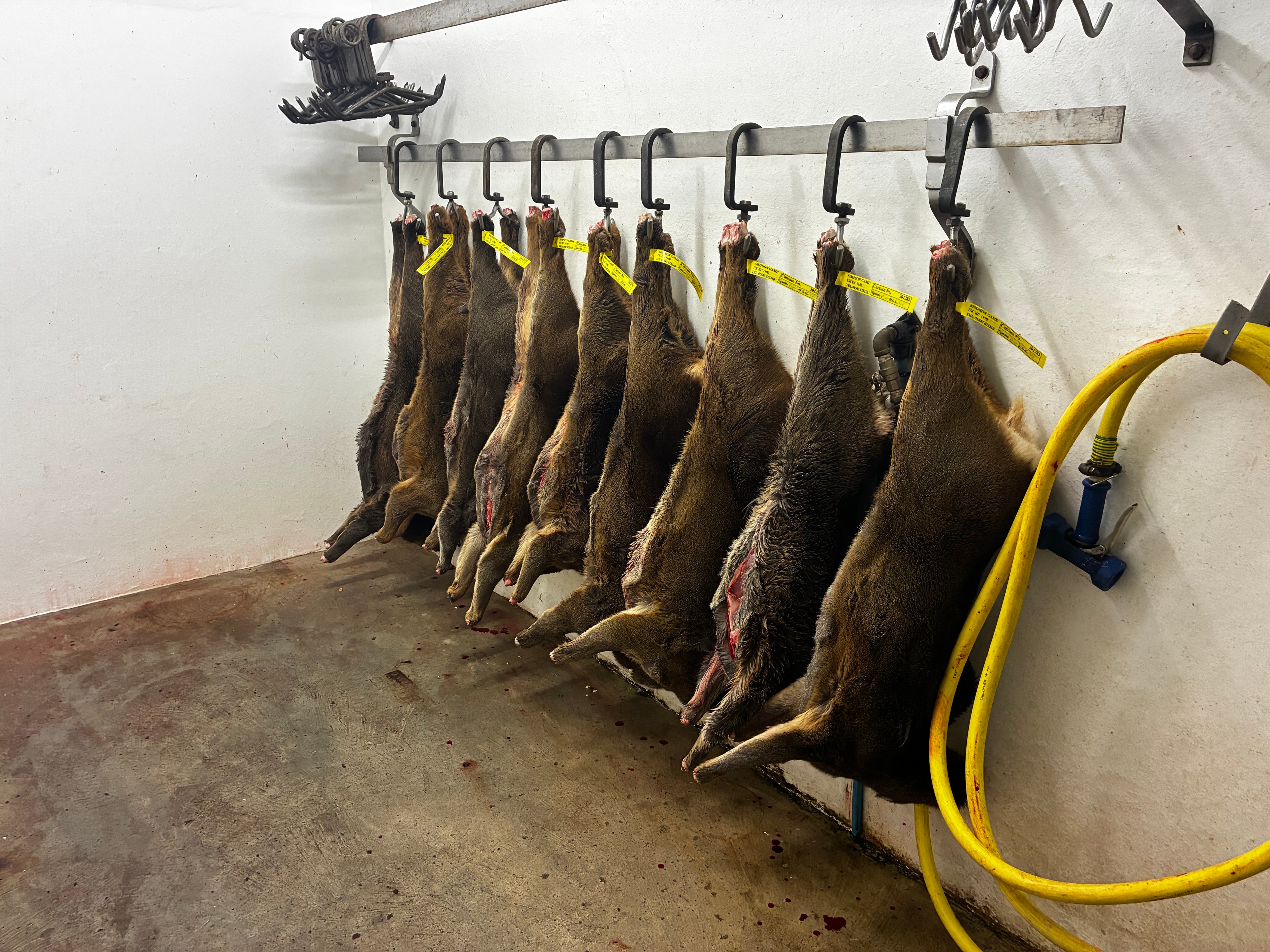
Where appropriate, professionally handled venison can provide a modest return that helps offset a small part of the cost of deer management. Any value will depend on the animals, handling, processing and available market, so it should be considered alongside—not instead of—the wider woodland and habitat objectives.
Recreational stalking leases
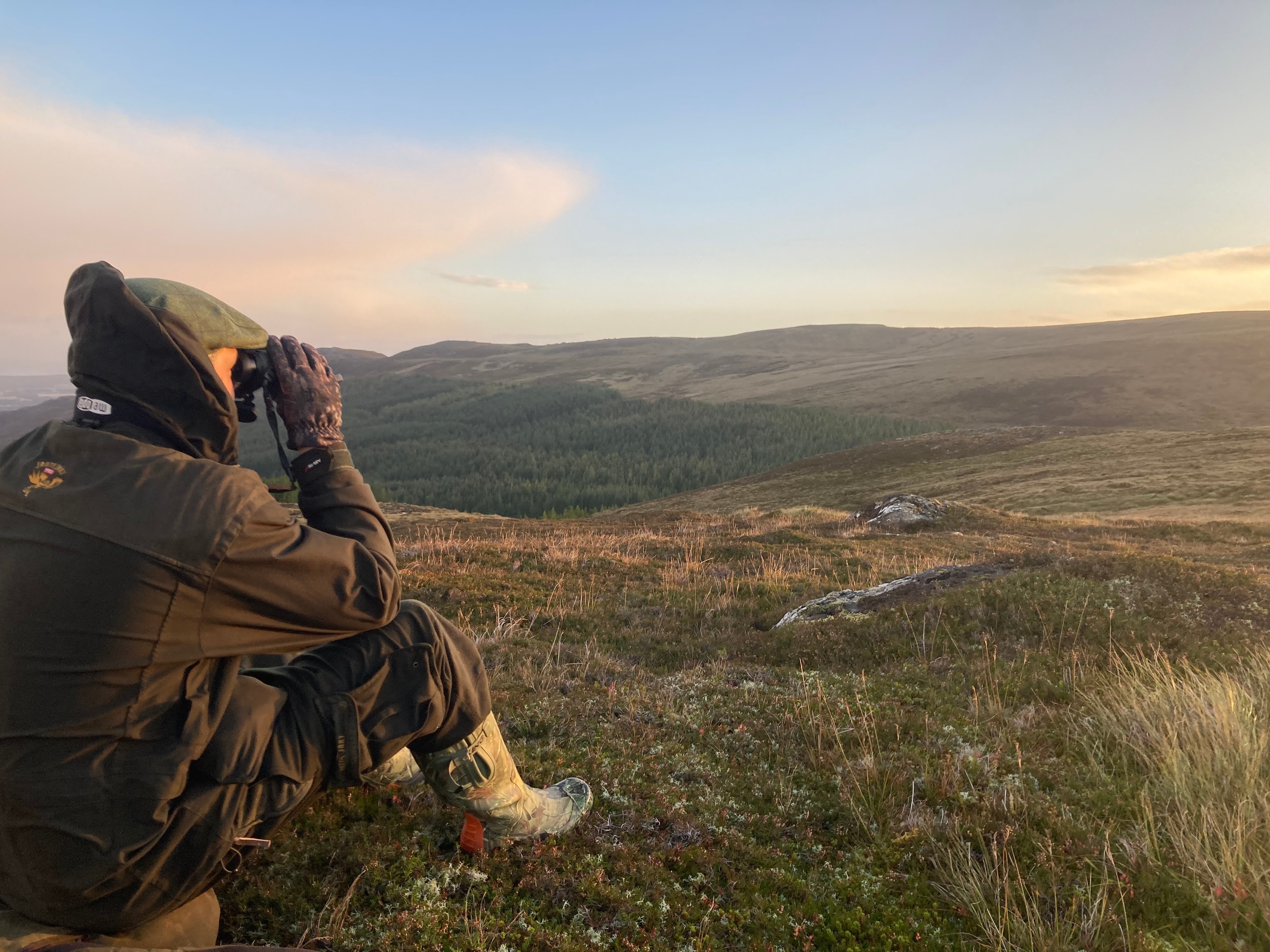
We offer recreational stalking leases that run alongside our deer managers, giving new stalkers the opportunity to gain genuine field experience without the pressure of being responsible for delivering the full cull. It is a practical way to build confidence, develop fieldcraft and understand how a managed deer population is maintained across a season.
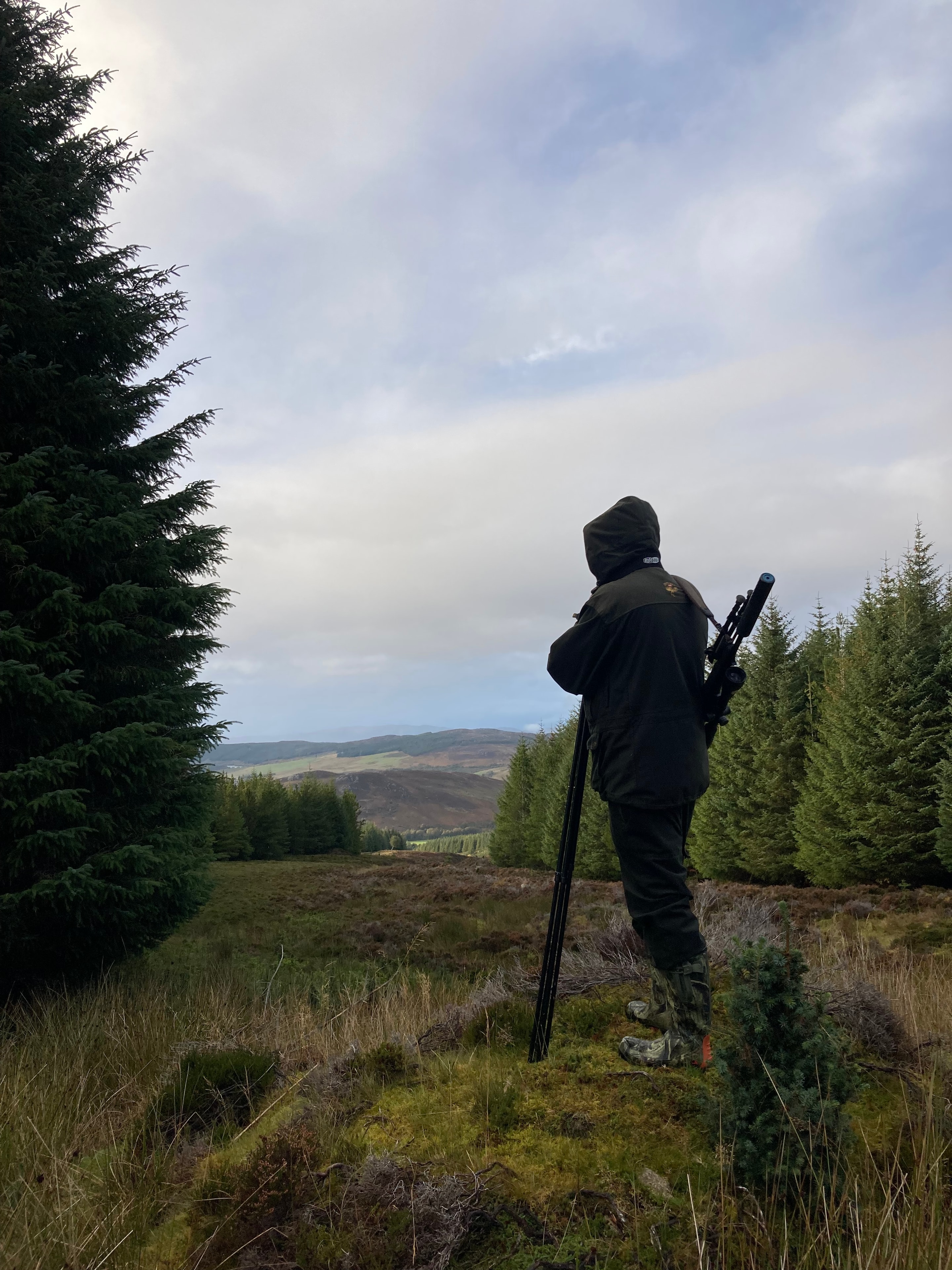
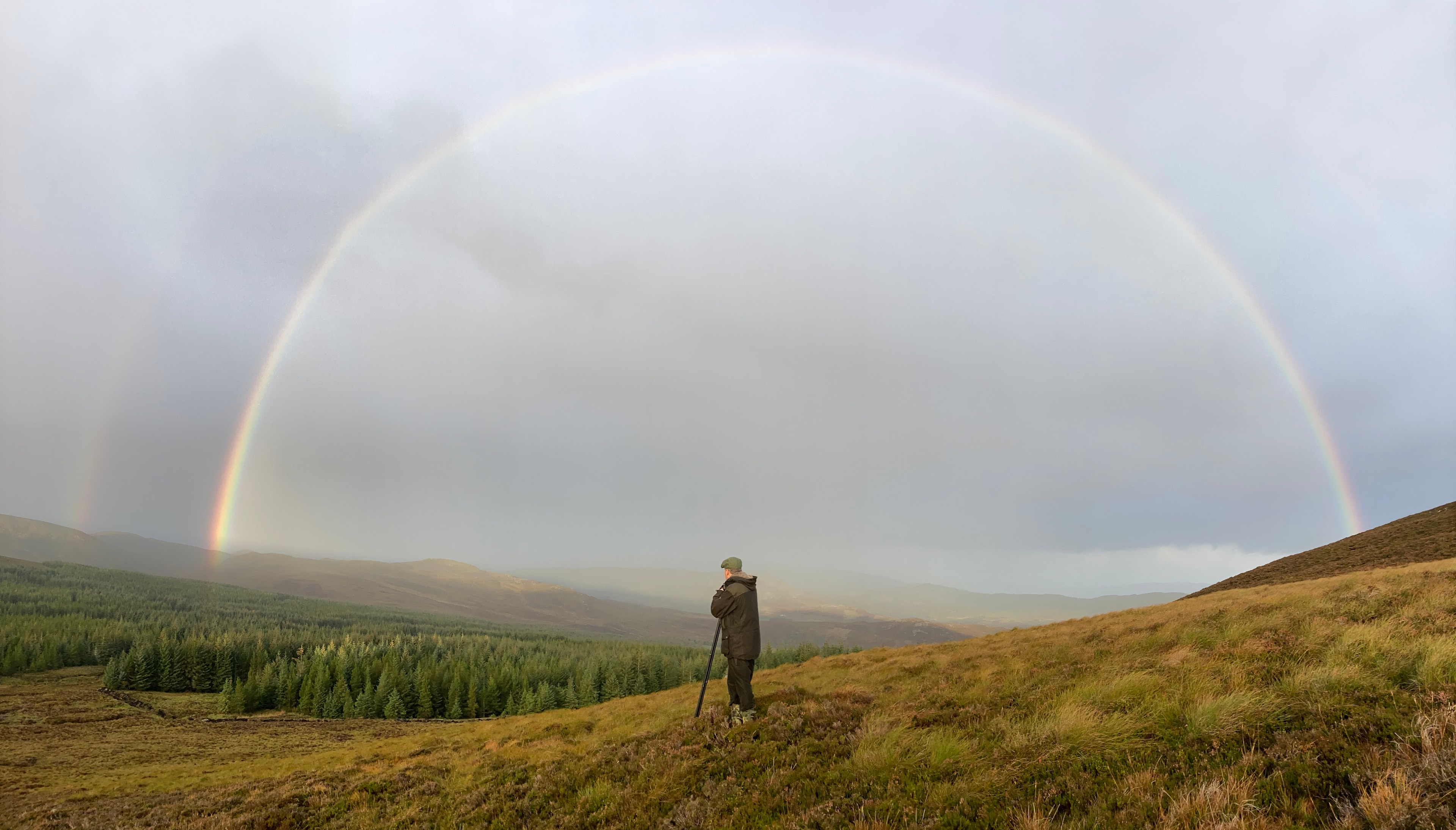
For landowners, a recreational lease can help offset some of the costs involved in putting proper deer management in place. Rather than bearing the full expense, a well-structured lease arrangement can bring in a modest return while ensuring the management objectives of the ground are still met.
We can also support new syndicate members who are working towards their DMQ Level 2. Whether you need a witness for your stalk, guidance through the assessment process or practical help understanding what is required, we are well placed to help you through it at a pace that suits you.
Field note 02
The wider benefit
Unchecked deer browsing and grey squirrel bark damage can limit natural regeneration, weaken young trees and reduce the variety of plants that woodland wildlife depends on. Effective, evidence-led management gives trees, shrubs and ground flora room to establish, helping create the layered habitat used by birds, mammals, invertebrates and pollinators. By protecting future timber quality and reducing avoidable restocking, guards and repeat repair work, landowners can also help protect the long-term value and productivity of their woodland.
Talk through the condition of your woodland and the evidence that can guide next steps.