Rabbits and hares
Browsing, gnawing and bark damage can affect young trees, newly planted woodland, field margins and agricultural crops. Local impacts can be especially significant where regeneration or establishment is already under pressure.
Wildlife management
Hartland helps land managers, woodland owners and rural businesses understand and respond to wildlife pressures that can affect forestry, crops, habitats and wider environmental objectives.
Make an enquiryA considered approach
Rabbits, hares, wild boar, foxes, mink, geese and more can all create different challenges for forestry and agriculture. The right response depends on the evidence, the location, the species involved and the objectives for the land.
Wider wildlife pressures
Browsing, gnawing and bark damage can affect young trees, newly planted woodland, field margins and agricultural crops. Local impacts can be especially significant where regeneration or establishment is already under pressure.
Rooting and disturbance can damage crops, grassland, woodland ground flora, fences and sensitive habitats. Their activity can also create practical challenges for land access and site management.
Fox activity can create concerns for some livestock and poultry enterprises. Any response should be based on the circumstances of the holding, current legal requirements and appropriate welfare considerations.
American mink can affect riparian habitats and vulnerable native wildlife, as well as creating challenges for fisheries and rural businesses. Control approaches need to be coordinated and evidence-led.
Grazing and fouling can affect crops, grassland, water margins and amenity land. The scale and timing of impacts can be important when considering practical management options.
Wild boar and feral pigs
Wild boar and feral pigs are re-establishing across parts of the UK, and their capacity for damage — and for rapid population growth — makes early, evidence-led management essential for affected landowners.
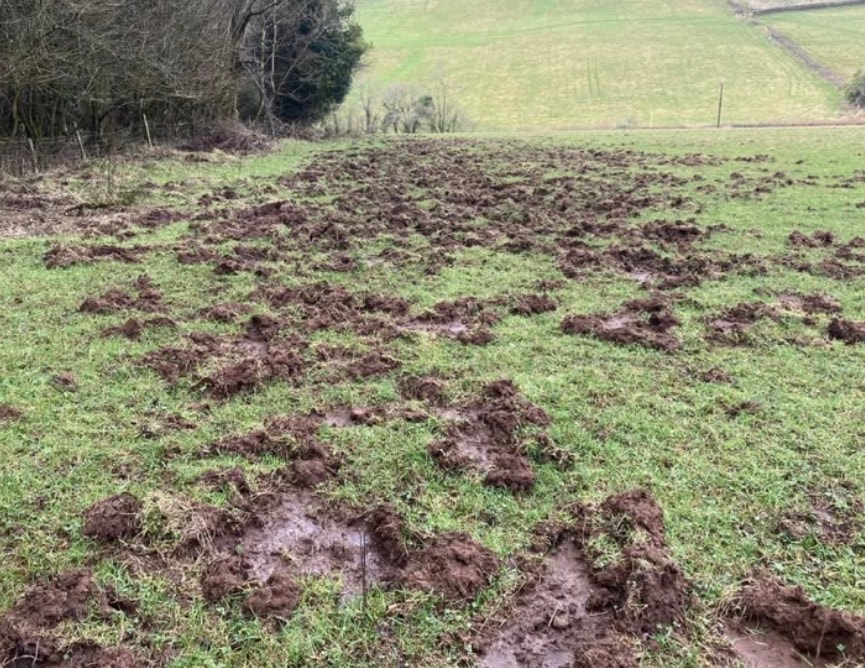
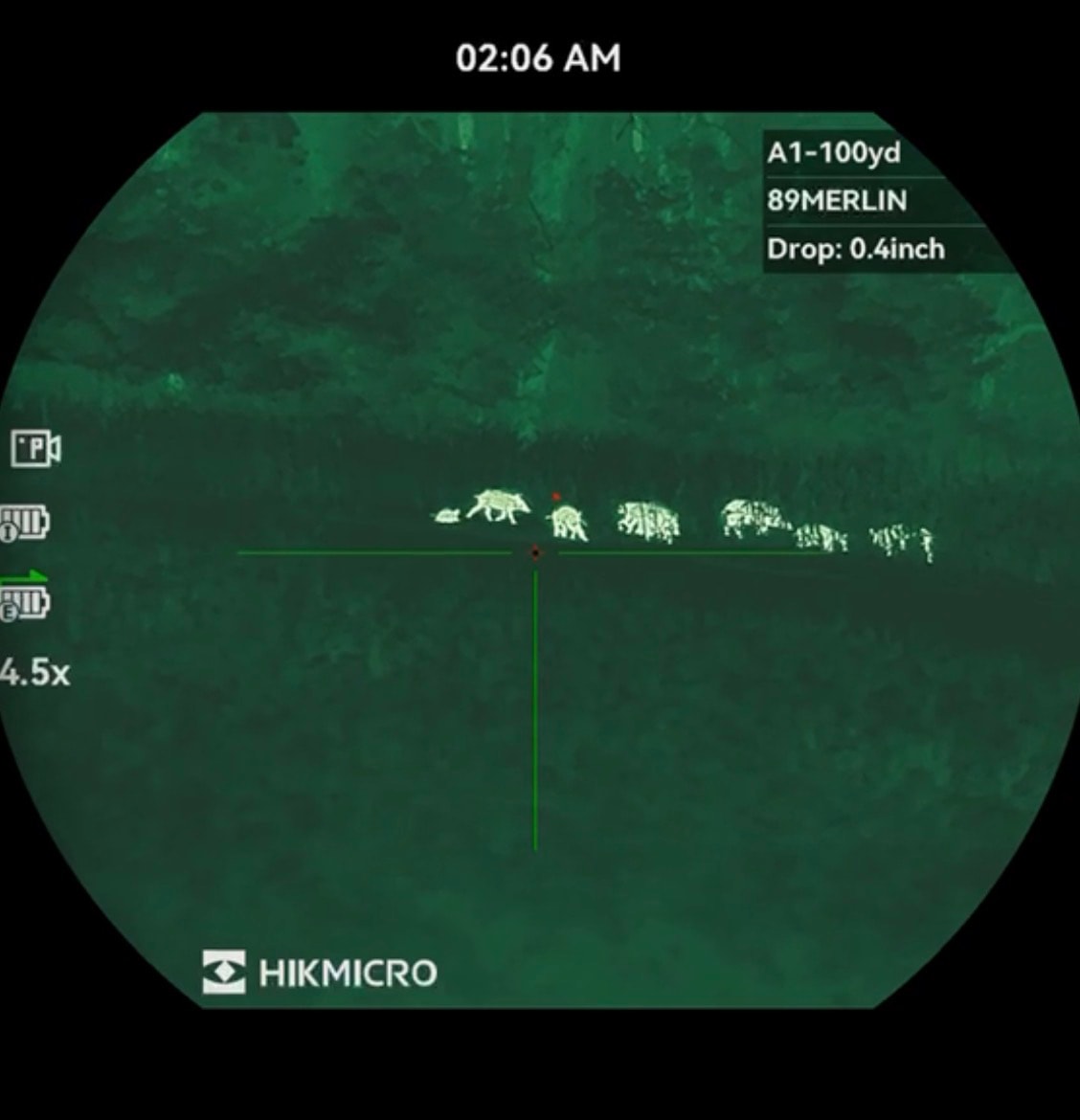
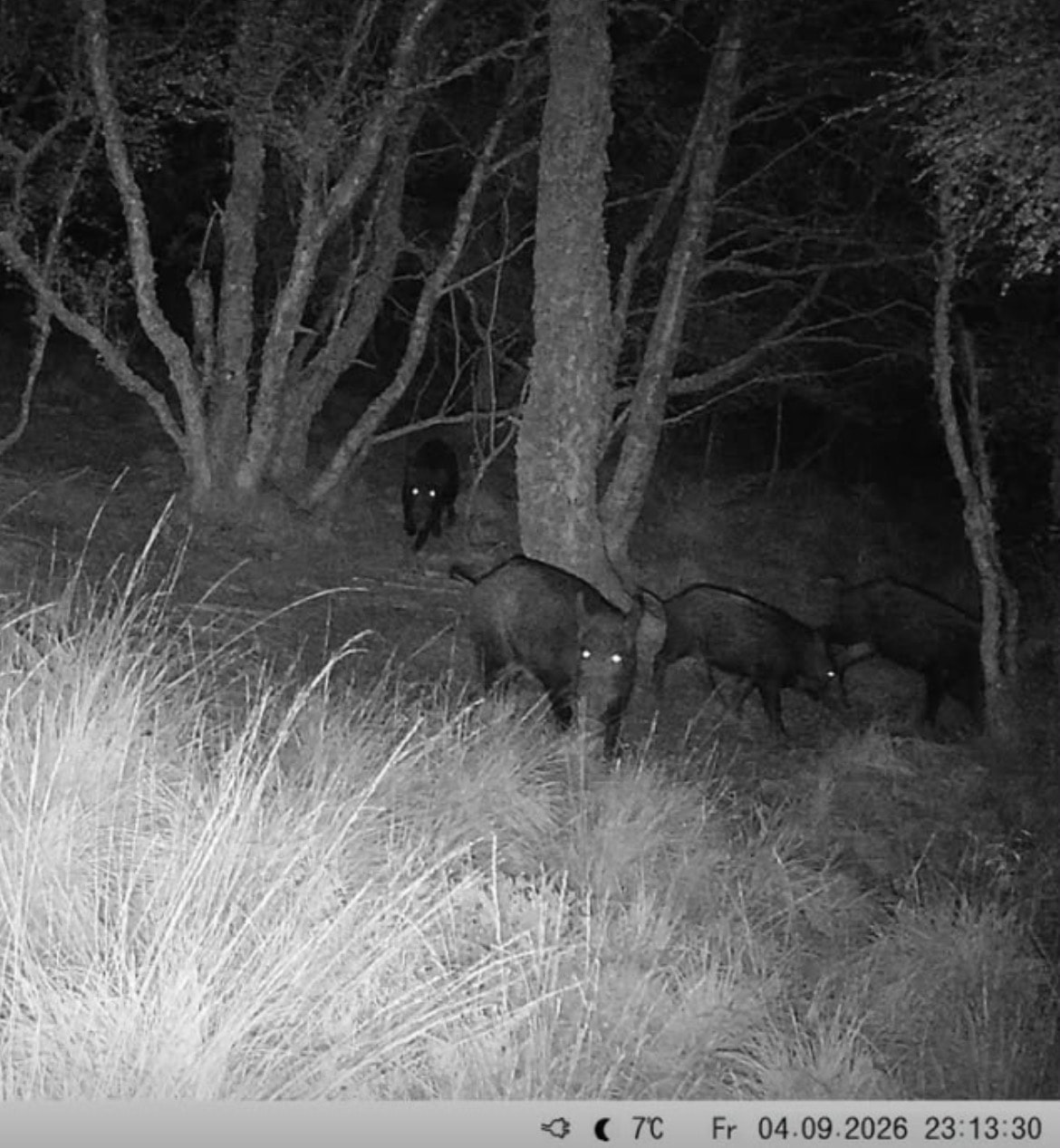
Rooting is the most visible sign of wild boar activity. A sounder moving through pasture, woodland or a field margin overnight can overturn large areas of ground, destroying crops, damaging fencing, breaking up sensitive ground flora and creating hazards for livestock and machinery. Woodland ground flora, wetland margins and newly planted areas are particularly vulnerable. The damage can be extensive and cumulative, and it tends to worsen as populations grow.
Wild boar are among the most reproductively productive large mammals in the UK. Sows can produce two litters a year, with litters of four to six piglets being typical. Under favourable conditions, a small founding population can grow rapidly, and populations that are not actively managed tend to expand into new areas. This makes early intervention significantly more effective than waiting until numbers are established.
The Forest of Dean in Gloucestershire holds the most well-known established population, where numbers have grown substantially over recent decades. Populations are also present in parts of Scotland, Kent, East Sussex and other areas where escapes or deliberate releases have occurred. The range is not static — animals move, and new populations can establish where conditions allow. Landowners in affected areas, or those bordering known populations, are increasingly likely to encounter them.
Hartland can provide a practical, evidence-led management service for landowners dealing with wild boar or feral pig pressure. We can assess the signs of activity, help develop a proportionate management plan and support control delivery using appropriate methods — including night operations where required. If you are seeing signs of rooting, fencing damage or other activity on your land, get in touch to discuss a practical next step.
Discuss wild boar management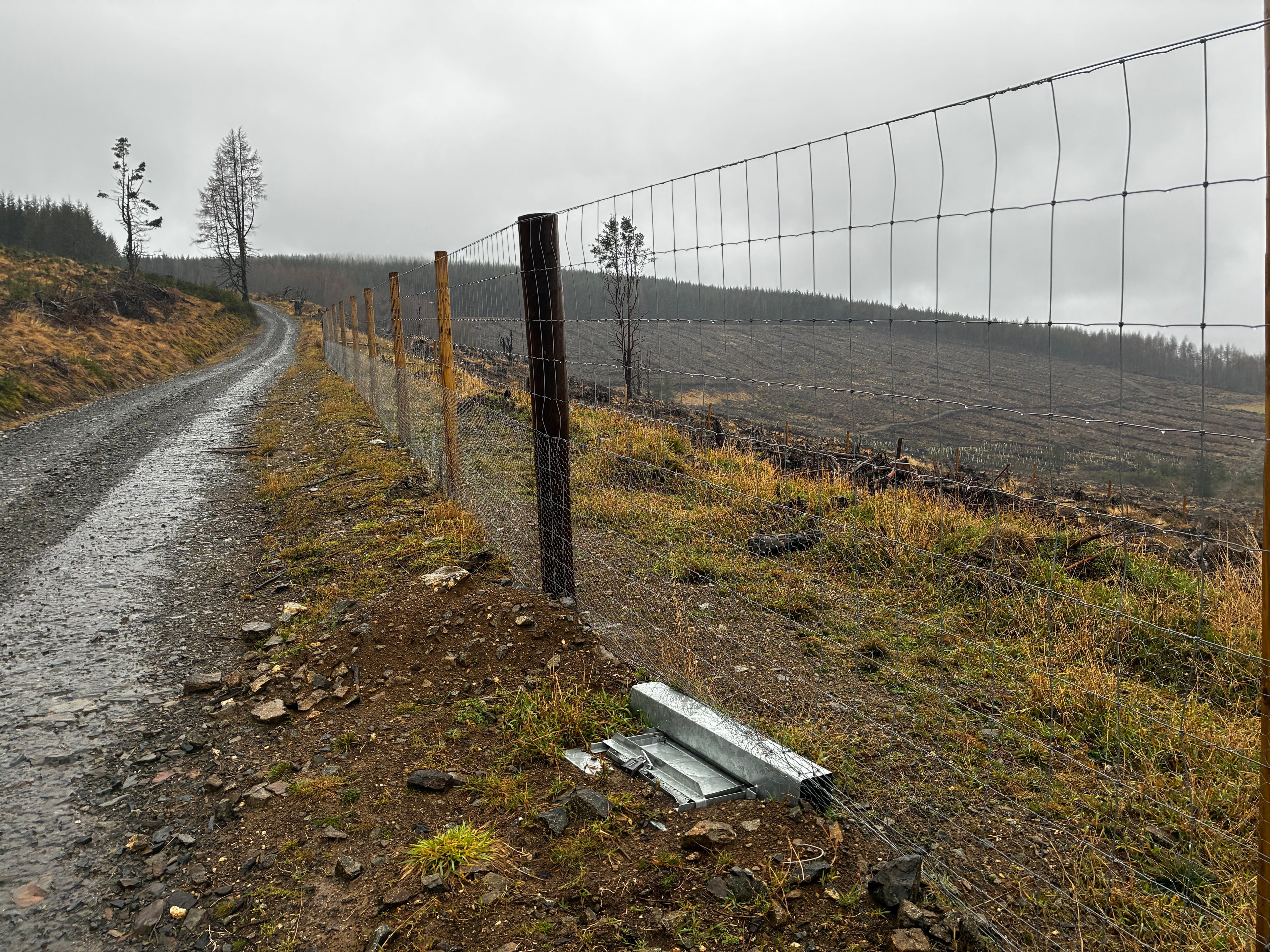
Rabbit control in practice
Drop boxes set into perimeter fencing allow rabbits to exit a newly planted area without being able to re-enter. Used alongside other control methods, they can significantly reduce browsing and bark damage during the critical early years of woodland establishment.
Hartland can help assess the signs and likely impacts, develop a proportionate management plan, support responsible control delivery and monitor outcomes over time. We work with land-management objectives in mind, while keeping legal, welfare and environmental considerations central to the approach.
If wildlife is affecting woodland establishment, crops, habitats or day-to-day land management, get in touch to discuss a practical next step.
Contact Hartland