Impact assessment and baseline data
We assess the site, record relevant wildlife impacts and collect clear baseline evidence to help demonstrate the management need before control work is planned.
Countryside Stewardship grant support
Hartland helps land managers turn on-site evidence into a practical case for deer, grey squirrel and American mink control. We can carry out the impact assessment and data collection, support grant planning, and deliver the agreed control measures.
Discuss your site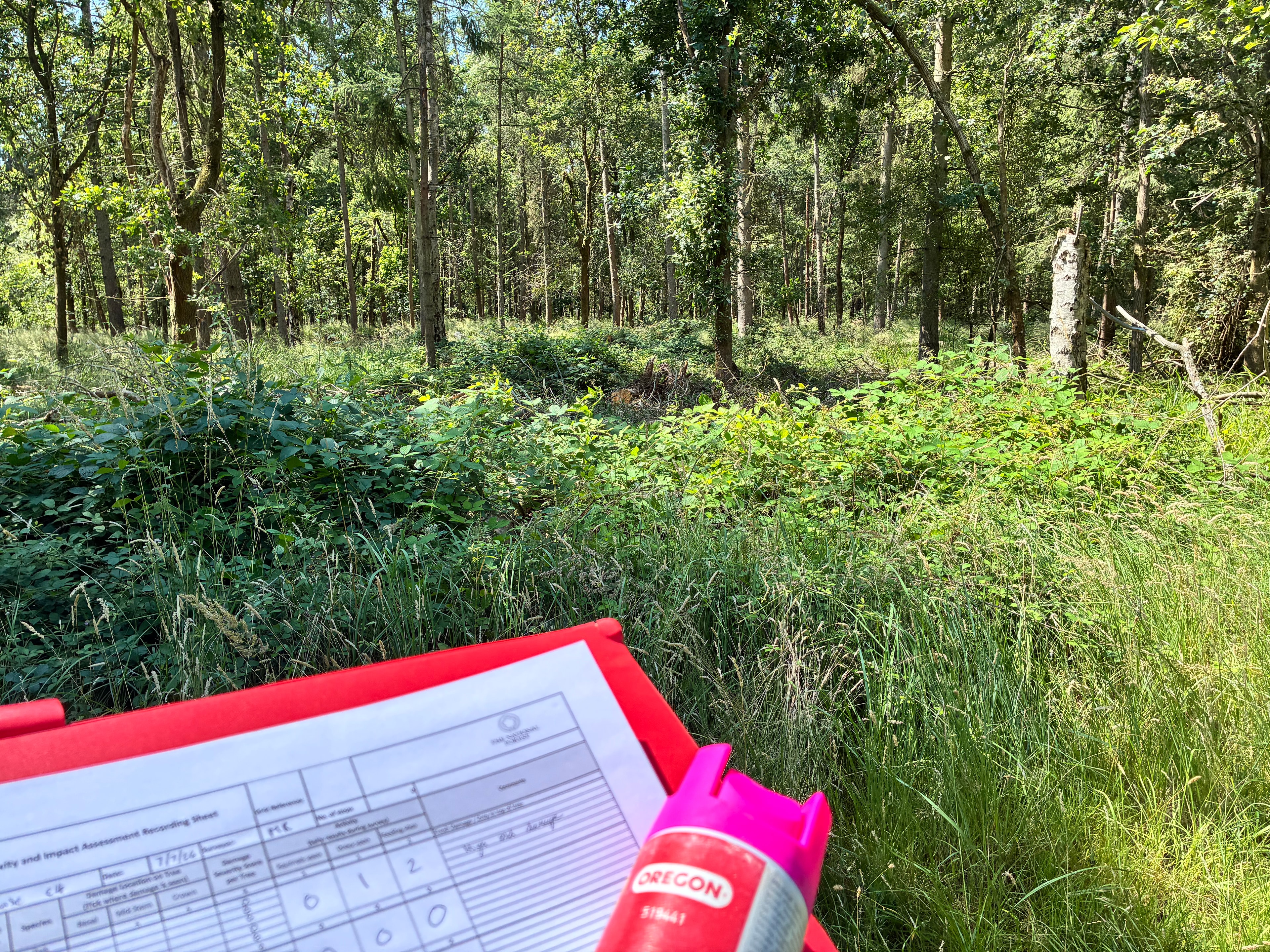
We support land managers considering CWS1 deer control and management, CWS3 grey squirrel control and management, and CSP21 American mink control and management. Our role is practical: establish the evidence, collect the right site data, help shape a proportionate control plan, and carry out control work where required. Eligibility, payment rates, application requirements and final decisions remain subject to the current scheme guidance and the relevant scheme administrator.
What Hartland can deliver
We assess the site, record relevant wildlife impacts and collect clear baseline evidence to help demonstrate the management need before control work is planned.
We turn field findings into a proportionate, site-specific control approach, helping land managers prepare the information needed for grant discussions and applications.
Where agreed, Hartland can carry out the control measures and ongoing monitoring, keeping delivery connected to the objectives and evidence for the site.
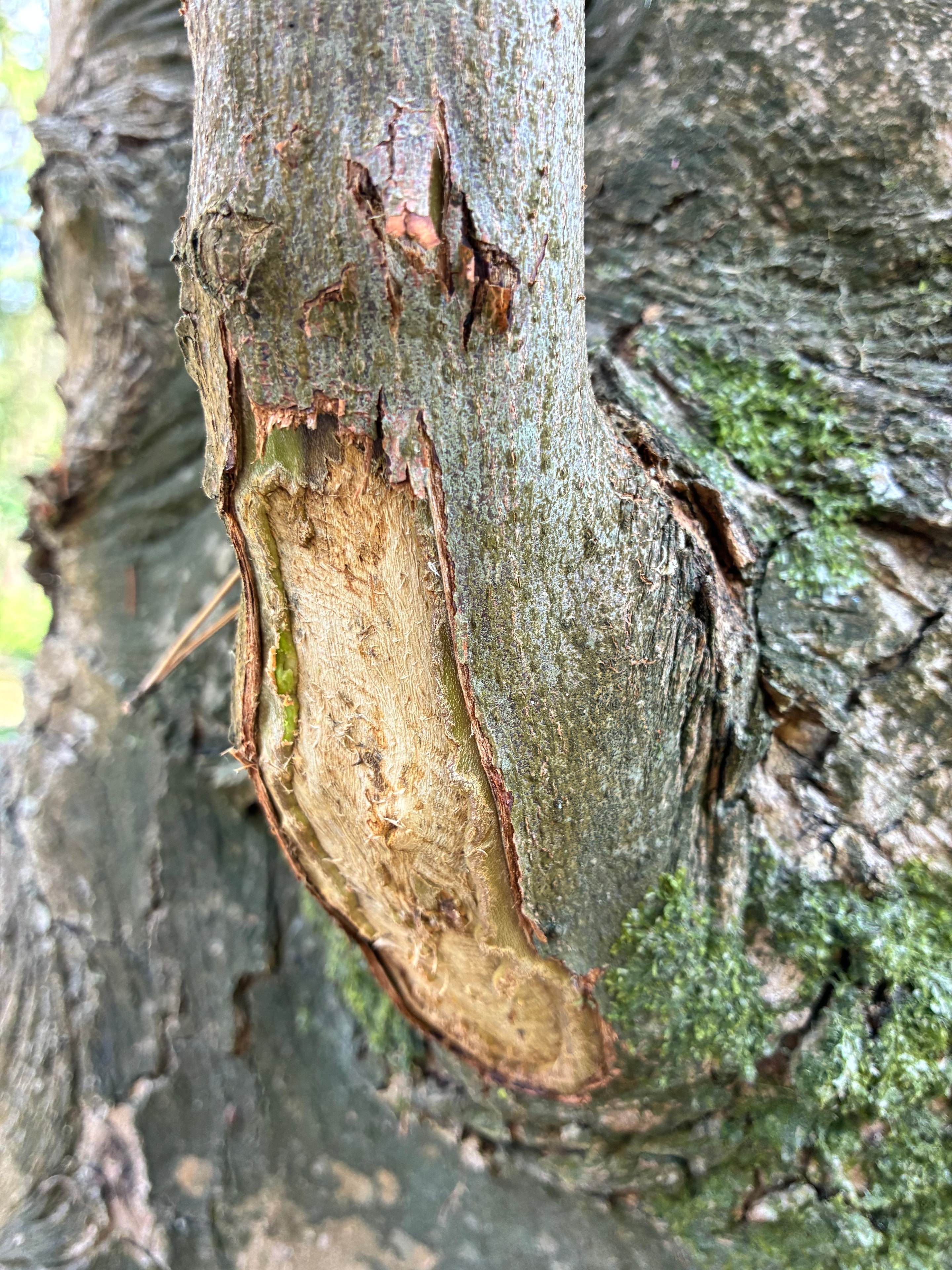
Grant-funded wildlife management needs to be grounded in the reality of the site. Our impact assessments and data collection can document deer browsing, grey squirrel damage, American mink activity, habitat condition and the practical constraints that shape a responsible control plan.
That evidence can support informed conversations about the appropriate grant route and delivery approach. If a scheme is suitable and support is awarded, we can also carry out the agreed control measures and monitor progress over time.
How we work
01
Undertake an impact assessment and collect relevant field data on wildlife pressure, damage, habitat condition and site constraints.
02
Use the findings to develop a practical, proportionate control and monitoring plan aligned with the relevant grant guidance.
03
Carry out agreed control measures and monitoring, with the work kept focused on the objectives for the land and current scheme requirements.
Official scheme information
Official GOV.UK funding information for deer control and management.
Read official guidanceOfficial GOV.UK funding information for grey squirrel control and management.
Read official guidanceOfficial GOV.UK funding information for American mink control and management.
Read official guidanceGrant support
Tell us about the wildlife pressure, damage or management challenge you are seeing. We can discuss an impact assessment, the data needed for grant planning, and practical delivery of control measures.