Deer browsing pressure
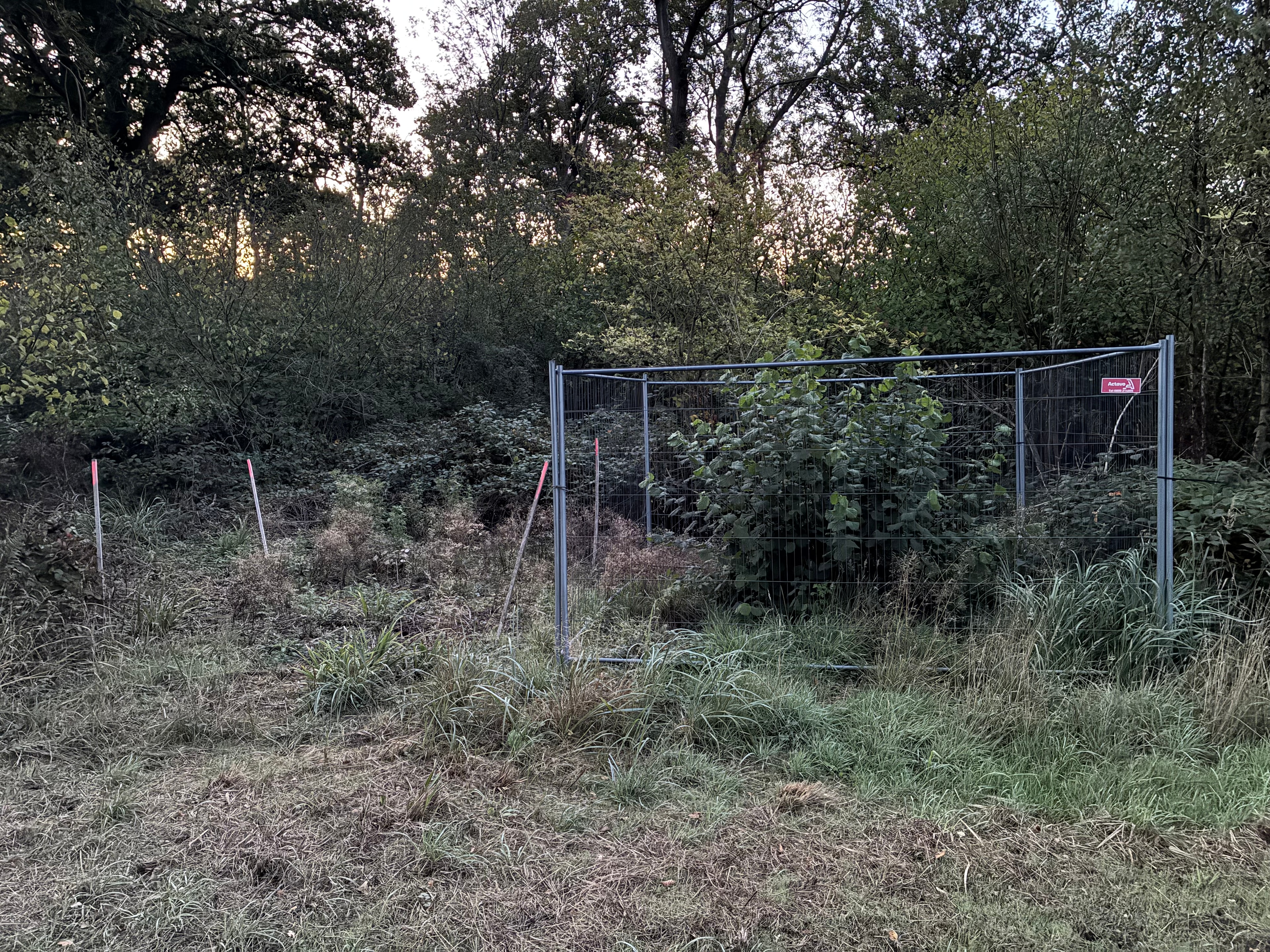
We look for browsing on young trees, shrubs and ground flora, alongside the condition and distribution of natural regeneration.
Impact assessments
Hartland’s deer and grey squirrel impact assessments give land managers a practical evidence base for woodland decisions, from baseline condition recording to follow-up monitoring.
Request an assessment
Wildlife impacts can be easy to underestimate when they build gradually. Our assessments record the condition of trees, regeneration and habitats, helping you understand where browsing and bark damage are affecting woodland resilience, future timber quality and long-term value.
What we assess
We look for browsing on young trees, shrubs and ground flora, alongside the condition and distribution of natural regeneration.
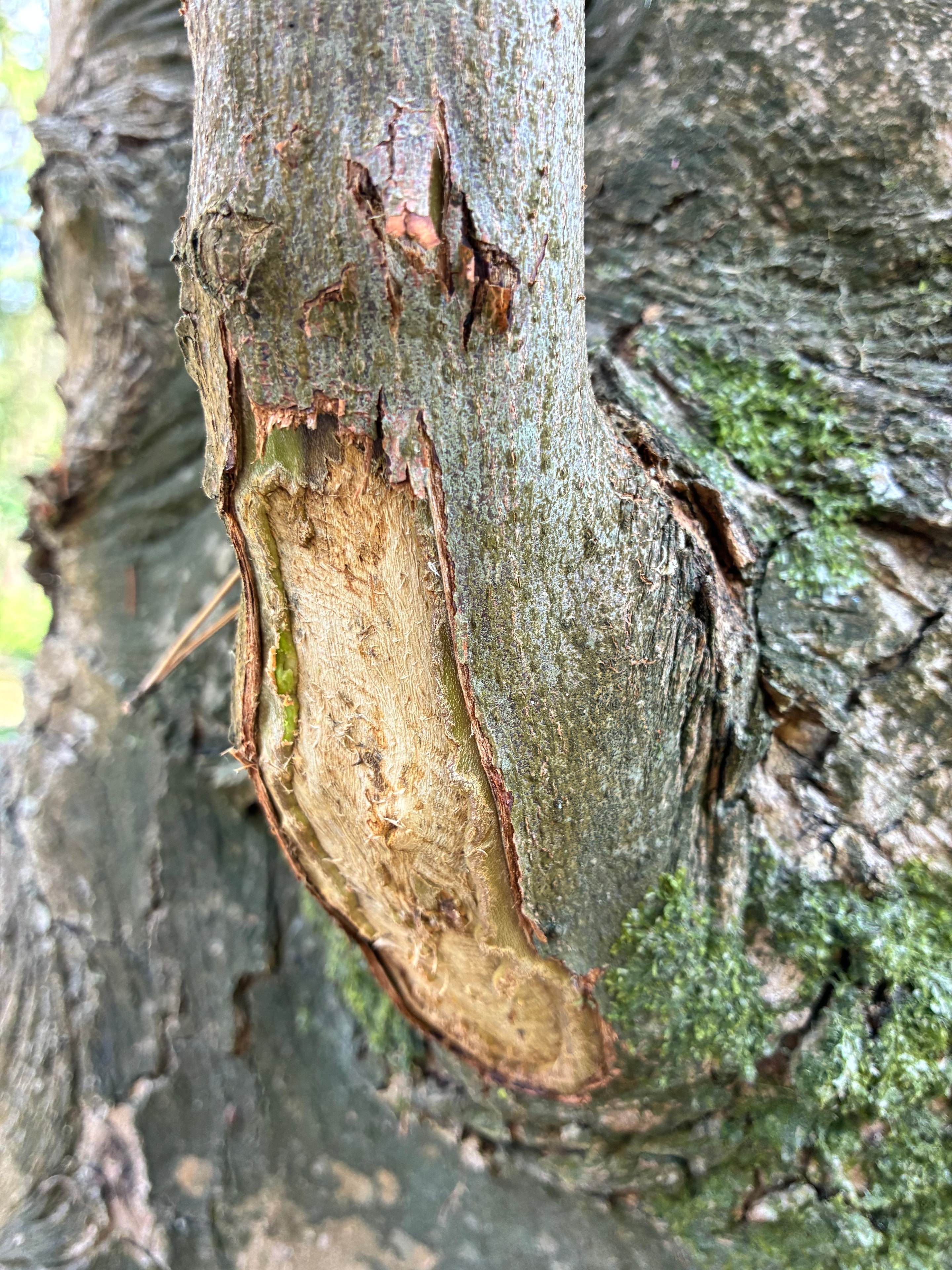
We record bark stripping and ring barking on vulnerable trees, noting the potential for decay, limb loss and reduced tree quality.
We consider tree species, structure, habitat features and areas of concern to place wildlife pressure in its wider woodland context.
Evidence on the ground
Photographs and field observations help record the extent and distribution of grey squirrel damage alongside woodland condition. This evidence supports a clearer baseline for monitoring change and considering further control where appropriate.
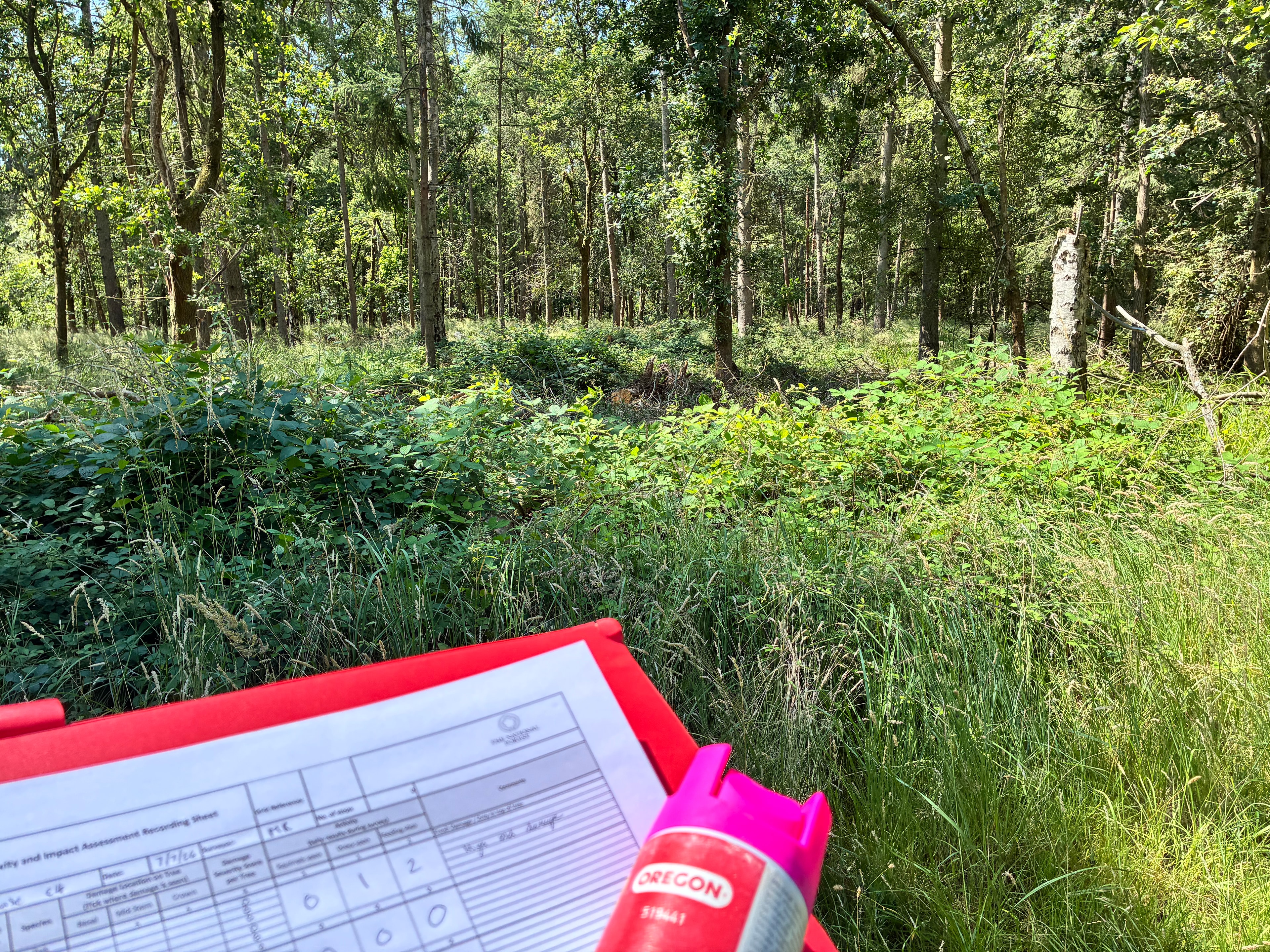
Inspection in woodland
Walking the site helps identify the condition of trees, regeneration and habitat, alongside signs of deer or grey squirrel activity. This on-the-ground evidence helps ensure recommendations are proportionate to the woodland and its management objectives.
Our approach
01
We survey the site and document current damage, regeneration and habitat condition so future change can be measured against a clear starting point.
02
Findings are translated into proportionate priorities for management, protection and further control, based on the evidence from your woodland.
03
Follow-up assessment helps show whether pressure is reducing and whether trees, regeneration and habitat are responding over time.
Grant-aligned support
Where appropriate, our impact assessments and further control work can be planned in line with the requirements of the England Woodland Creation Offer WS1 and WS3 grant options. Grant rules, eligibility and available funding can change, so we help you understand how assessment evidence may support your wider planning without guaranteeing an award.
Impact assessment enquiry
Tell us about your site, the damage you are seeing and the outcomes you want to protect.